
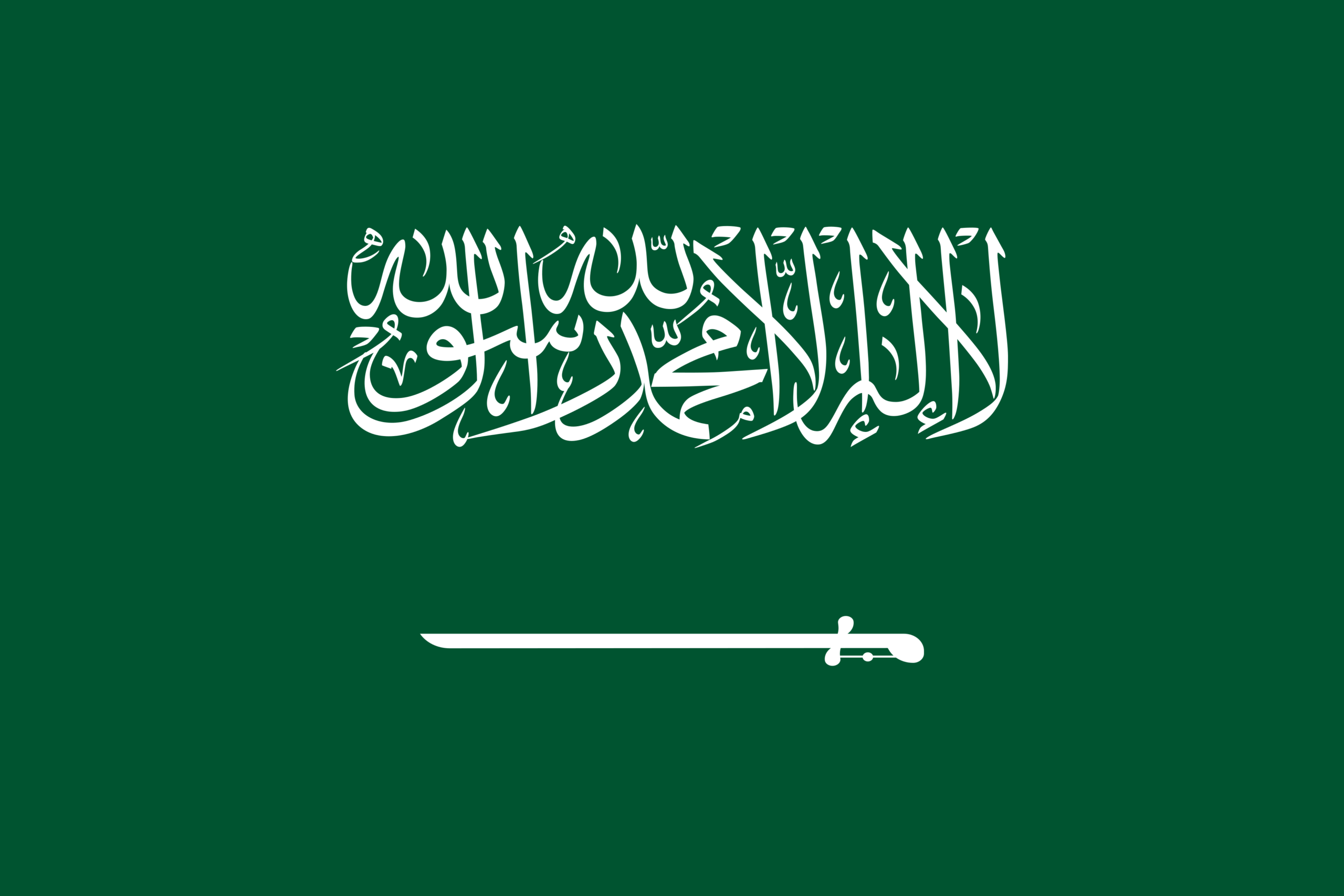
Many British Muslims live, work, or invest in Saudi Arabia. It is common to hold bank accounts, employment-related benefits, business interests, or property there while remaining legally domiciled in the UK. When a UK-domiciled Muslim dies owning assets in both England and Saudi Arabia, families often face a complex and unfamiliar probate process governed by different legal and religious rules.
This guide explains how probate works for UK domiciliaries with assets in Saudi Arabia, how Saudi succession law applies to Muslim estates, and what families should understand to avoid delay, confusion, and unnecessary distress.
What Does UK Domicile Mean?
Domicile is a legal concept used in English law to determine inheritance tax exposure and the scope of a person’s estate.
You are likely UK-domiciled if:
- The UK is your permanent home, or
- You intend to live in the UK indefinitely
Many British Muslims remain UK-domiciled even if they spend many years working in Saudi Arabia.
Why Domicile Matters for Probate
If you are UK-domiciled at death:
- Your worldwide estate may fall within the scope of UK inheritance tax
- A UK Grant of Probate or Letters of Administration is usually required for UK assets
However, a UK probate grant does not automatically apply to assets located in Saudi Arabia.
Does a UK Grant of Probate Cover Assets in Saudi Arabia?
No. UK probate grants are not recognised by Saudi authorities.
This means:
- A separate legal process is required in Saudi Arabia
- Saudi courts have exclusive jurisdiction over assets located there
Families are often surprised by the need for parallel probate processes.
How Succession Works in Saudi Arabia
Succession in Saudi Arabia is governed by Islamic Sharia law as applied by Saudi courts.
For Muslims:
- Inheritance is distributed strictly according to Sharia principles
- Fixed shares apply to eligible heirs
- Testamentary freedom is extremely limited
Foreign wills generally have limited effect.
Role of Islamic Inheritance Law in Saudi Arabia
Saudi Arabia applies classical Sharia inheritance rules without a separate civil code.
This means:
- Forced heirship applies in full
- Bequests outside Sharia limits are usually not recognised
- Heirs must be formally identified by the court
Planning expectations must reflect this reality.
Types of Assets Commonly Held in Saudi Arabia
British Muslims may hold:
- Bank accounts and savings
- Employment-related end-of-service benefits
- Business interests
- Permitted real estate interests
Each asset type may involve different administrative steps.
Saudi Court Procedures for Inheritance
To administer an estate in Saudi Arabia, families typically need:
- An inheritance certificate issued by a Saudi court
- Verification of heirs under Sharia rules
- Official death documentation
Foreign documents usually require attestation and translation.
Interaction Between a UK Will and Saudi Assets
A UK will may be produced as background information, but:
- Saudi courts are not bound by English probate grants
- Sharia inheritance rules take precedence for Muslim estates
This often leads to outcomes different from UK estate planning intentions.
Should You Have Separate Wills?
Many individuals with assets in Saudi Arabia use:
- A UK will dealing with UK assets, and
- Realistic planning for Saudi assets that accepts Sharia distribution
Any wills must be carefully drafted to avoid confusion or revocation.
Inheritance Tax Implications for Saudi Assets
If you are UK-domiciled:
- Your Saudi assets may still be subject to UK inheritance tax
This applies even though the assets are located overseas.
Local Taxes and Transfer Costs in Saudi Arabia
Saudi Arabia does not impose inheritance tax.
However:
- Court and administrative fees apply
- Delays can affect access to funds
Accurate valuation is essential for UK tax reporting.
Common Practical Challenges
Families dealing with Saudi assets often face:
- Frozen bank accounts pending court orders
- Complex document attestation requirements
- Heirs located across multiple countries
These challenges can cause significant delay.
Family Expectations and Disputes
Difficulties often arise where:
- Families expect UK-style testamentary freedom
- Saudi Sharia rules produce different outcomes
Clear advice helps manage expectations.
What Executors and Families Should Do
When a UK-domiciled person dies owning assets in Saudi Arabia:
- Identify all UK and Saudi assets promptly
- Apply for UK probate where required
- Seek advice from Saudi legal professionals
- Prepare for parallel legal processes
Early coordination reduces stress and delay.
Planning Ahead to Simplify Probate
Effective planning may include:
- An English law-compliant Islamic will for UK assets
- Clear records of Saudi assets
- Coordinated advice between UK and Saudi lawyers
Advance planning eases the burden on families.
The Importance of Specialist Advice
Probate involving Saudi Arabia sits at the intersection of:
- English probate and tax law
- Saudi Sharia-based succession law
- Islamic inheritance principles
- International estate administration
Specialist advice ensures lawful and realistic outcomes.
How We Can Help
Our solicitors advise Muslim families on UK probate involving Saudi Arabian assets.
We can assist with:
- UK probate applications
- Coordinating with Saudi lawyers
- Cross-border Islamic estate planning
- Inheritance tax reporting and compliance
If you are UK-domiciled and own assets in Saudi Arabia, or are administering an estate that does, we strongly recommend seeking specialist legal advice.
Early, coordinated planning can reduce stress, delay, and family conflict while ensuring estates are administered lawfully and respectfully.


